Login
Editorial Note: This article deals with general scientific findings on kombucha and not with Kombuchery products. Scientific findings and study results are not automatically transferable to individual foods or products. The article does not replace medical or nutritional advice and is not to be understood as a health-related statement about specific foods or products.

The content is based on scientific literature, publicly available sources, and the author's assessment, and does not claim to be exhaustive. New studies may confirm, supplement, restrict, or refute existing findings. Scientific publications should therefore always be considered in the overall context of the available evidence.

Studies generally refer to the specific conditions, ingredients, microorganisms, dosages, manufacturing processes, and groups of people investigated. The presented results cannot therefore be readily transferred to other foods, recipes, manufacturing processes, or products.

No statements about the effects, properties, or health benefits of specific foods or products can be derived from the information presented.

Health-related claims for foods in the European Union are subject to the applicable legal requirements. The presentation of scientific research is therefore not to be equated with a permissible health-related claim about a food or product.

If you would like to delve deeper into a topic, we recommend consulting the scientific sources linked in the article and other independent specialist literature to gain as comprehensive an understanding as possible of the current state of research.

Our gut is the most densely populated place in the world

Trillions of microorganisms live in our gut, together forming the gut microbiome. The gut, microbiome, and brain are connected through various signaling pathways. What happens in the gut and what role does the microbiome play? Here I have put together a few interesting facts for you!

The power of the intestinal barrier should not be underestimated

The surface of the gut is greatly enlarged by numerous folds and protrusions. This allows the body to efficiently absorb nutrients and liquids. At the same time, the intestinal wall must prevent harmful microorganisms and other unwanted substances from entering the body uncontrollably. Various protective mechanisms help with this:

  • the microbiome (formerly also called "gut flora")
  • the intestinal mucosa
  • the gut-associated immune system (GALT, from the English "gut-associated lymphoid tissue")

Together, these protective mechanisms contribute to the intestinal barrier. They help to ward off pathogens and maintain the balance between the gut and the immune system. Stomach acid already inactivates a portion of the ingested microorganisms. Further protective mechanisms are located in the gut itself: these include the mucus layer, the intestinal wall, and immune cells that can recognize and fight pathogens.

The GALT, the largest collection of important defense cells

The gut-associated immune system – also called GALT – is located largely in the intestinal mucosa and is an important part of our immune system. The gut also performs central tasks in digestion and nutrient absorption. The gut and brain communicate with each other via the so-called gut-brain axis. This complex exchange involves nerve connections, metabolic products, and various messenger substances, among others.

Prebiotics and probiotics: The basics for the gut & microbiome

Prebiotics

Prebiotics are substances that are specifically utilized by certain microorganisms in the body and can therefore provide a health benefit. Many prebiotics are certain types of fiber. They are not or not completely broken down by human digestive enzymes and can serve as food for gut bacteria.

Prebiotic-active fibers and other corresponding food components are found, for example, in chicory, onions, garlic, asparagus, certain types of grain, and bananas. Not every fiber is automatically a prebiotic; its properties and proven effect are decisive.

Probiotics

Probiotics are live microorganisms that provide a health benefit when consumed in sufficient quantities. Whether a microorganism can be classified as a probiotic depends, among other things, on its identity, the amount used, and scientific evidence.

Fermented foods such as yogurt, kefir, kimchi, or unpasteurized kombucha can also contain live microorganisms. However, this does not automatically make them a probiotic.

Sourly pickled or fermented vegetables can also contain live microorganisms depending on the manufacturing process and thus bring additional diversity to a varied diet.

The gut microbiome is connected to numerous processes in the human body. A balanced diet with sufficient fiber provides various substrates that can be utilized by microorganisms in the large intestine. What effect this has on the microbiome depends, among other things, on the overall diet and the individual composition of the microbiome.

The gut and brain are in close communication!

Researchers are intensively investigating how the gut and brain communicate with each other through various signaling pathways and what role the gut microbiome plays in this. This so-called gut-brain axis includes nerve connections, metabolic products, and various messenger substances, among others. Research continues to investigate how these complex interactions are connected to stress, mood, and other physical processes. Many connections are not yet fully clarified.

Gut microbiome: The most important points summarized

  • Intestinal barrier: The intestinal mucosa, microbiome, and immune system work together to protect the body from pathogens.
  • Prebiotics: Certain fibers and other food components can be utilized by selected gut microorganisms.
  • Probiotics: They contain defined live microorganisms for which a health benefit is proven when consumed in sufficient quantities.
  • Fermented foods: They can contain live microorganisms and fermentation products, but are not automatically probiotics.
  • Gut-brain axis: The gut and brain are connected through several signaling pathways. The role of the gut microbiome is being further researched.

Frequently asked questions about the gut microbiome

What is the gut microbiome?

The gut microbiome includes the community of microorganisms in the gut and their genetic information. This includes, among others, bacteria, viruses, and fungi. This community is connected to various processes in the body.

What is the difference between prebiotics and probiotics?

Prebiotics are substances that can be specifically utilized by certain microorganisms. Probiotics are live microorganisms for which a health benefit is proven when consumed in sufficient quantities.

Are fermented foods automatically probiotic?

No. Fermented foods can contain live microorganisms. However, whether a product can be considered probiotic depends on the microorganisms it contains, their quantity, and the scientific evidence for a health benefit.

What is the gut-brain axis?

The gut-brain axis describes the communication between the gut and brain through nerve connections, messenger substances, and other signaling pathways. What role the gut microbiome plays in individual processes is the subject of ongoing research.
Recommended articles for you

More of my articles, from A, like alcohol-free kombucha cocktails, to Z, like lemon-ginger kombucha, can be found on our Kombuchery blog. Let's learn more about kombucha together!

View all

Fermentierte Lebensmittel im Winter: Welche Zutaten haben Saison?

Fermentierte Lebensmittel im Winter: Welche Zutaten haben Saison?

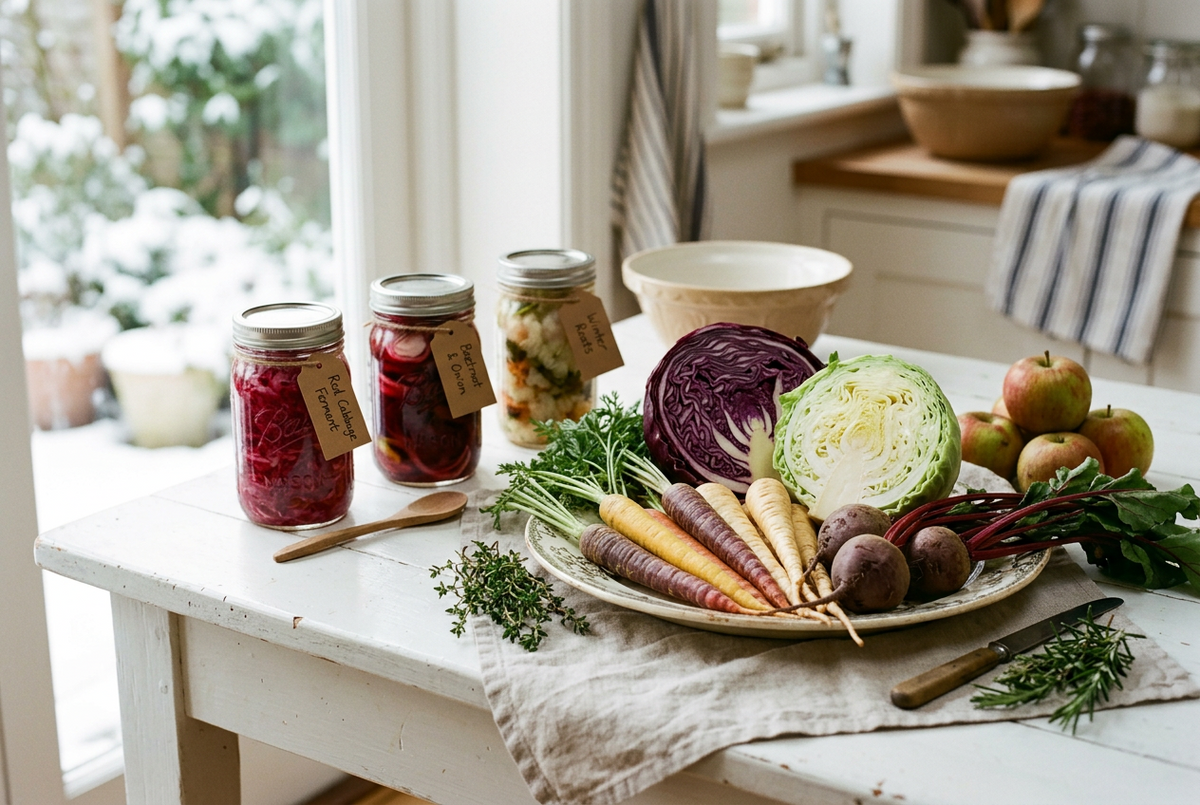
Wenn es draußen kälter wird, verändert sich auch die Auswahl an frischen Zutaten in der Küche. Statt sommerlicher Tomaten und Zucchini stehen jetzt Kohl, Karotten, Rote Bete und Wurzelgemüse im Mittelpunkt. Viele dieser Zutaten lassen sich wunderbar fermentieren und bringen...

Read moreabout Fermentierte Lebensmittel im Winter: Welche Zutaten haben Saison?

Warum enthält Kombucha Zucker, obwohl er fermentiert wird?

Why does kombucha contain sugar even though it is fermented?

You may have already wondered: Why does kombucha contain sugar even though it is fermented? After all, some of the sugar is converted by yeasts and bacteria during fermentation. But it doesn't have to disappear completely. In this article, you...

Read moreabout Why does kombucha contain sugar even though it is fermented?

Kombucha Ginger im Porträt: Wie schmeckt Ingwer-Kombucha?

Kombucha Ginger in Focus: What Does Ginger Kombucha Taste Like?

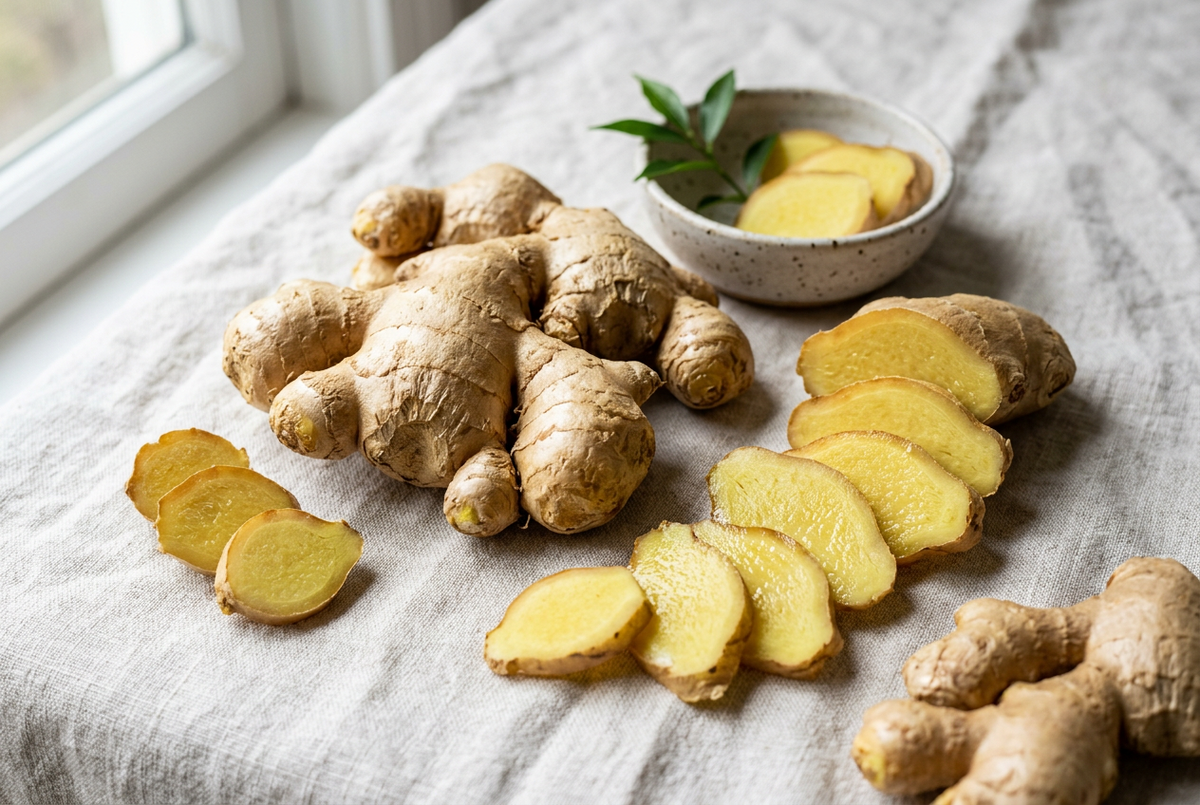
You like ginger and are wondering what it tastes like in kombucha? Then you will discover an exciting combination here: ginger kombucha combines the characteristic taste of fermented tea with the spicy note of ginger. The result is a drink...

Read moreabout Kombucha Ginger in Focus: What Does Ginger Kombucha Taste Like?

Was ist Raw Kombucha? Der Unterschied zu pasteurisiertem Kombucha

What is raw kombucha? The difference compared to pasteurized kombucha

You've heard of raw kombucha before, but you're not sure what it is? Then you've come to the right place! There is an important difference when it comes to kombucha: some varieties are pasteurized after fermentation, while others remain raw....

Read moreabout What is raw kombucha? The difference compared to pasteurized kombucha

Herbstliche Kombucha-Rezepte: 5 Ideen mit Apfel, Birne und Gewürzen

Autumn Kombucha Recipes: 5 Ideas with Apple, Pear, and Spices

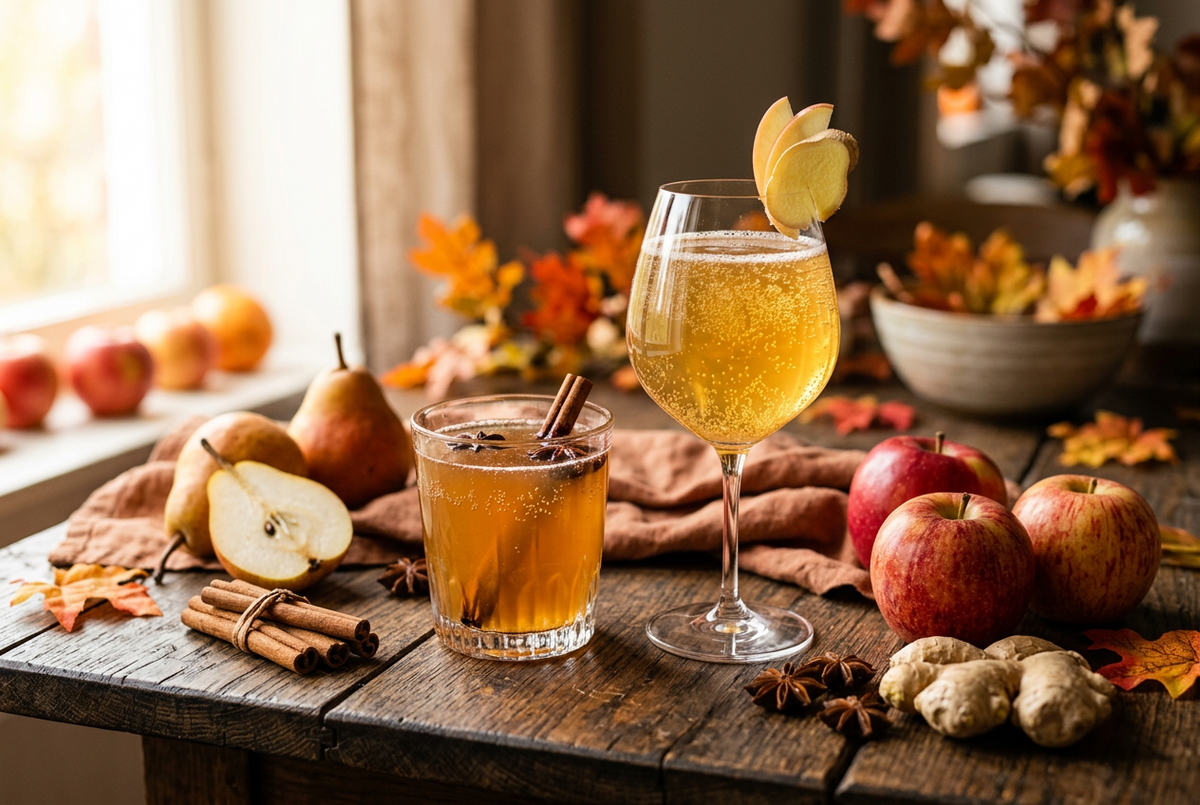
When the days get shorter, the air outside smells of autumn, and we make ourselves cozy at home, a little autumn can also move into the glass. 🍂 How about fruity apple, juicy pear, a pinch of cinnamon, and a...

Read moreabout Autumn Kombucha Recipes: 5 Ideas with Apple, Pear, and Spices

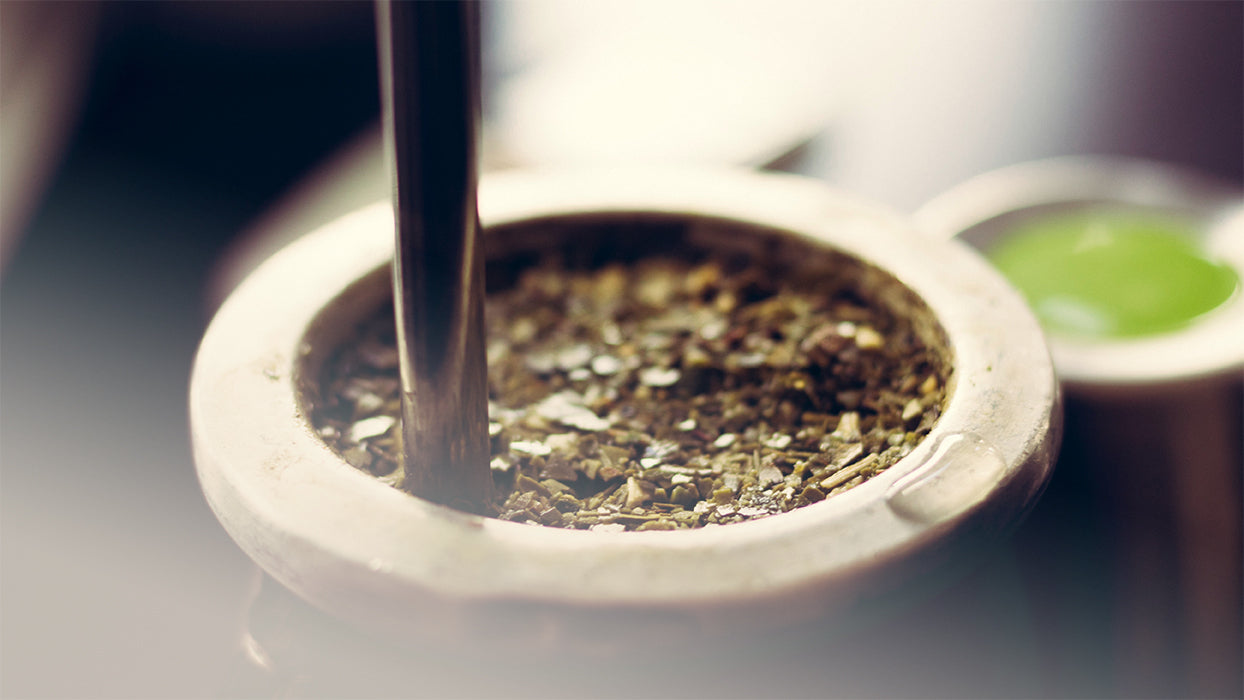
Mate Tee Trinkhalm Mateteegefaess

Mate Kombucha: What you should know about mate tea, caffeine, and yerba mate

Mate tea meets kombucha Mate and kombucha can be combined for an exciting flavor profile: the characteristically bitter, slightly smoky taste of mate meets the typical sweet-tart note of fermented kombucha. Mate tea has a long tradition, especially in South...

Read moreabout Mate Kombucha: What you should know about mate tea, caffeine, and yerba mate

Schwangere Frau im Anschnitt grosser Bauch Wiese Abendsonne

Is kombucha suitable for pregnant women and children? All about the alcohol content

Who should drink kombucha? Kombucha is a fermented tea drink. Fermentation can produce small amounts of alcohol. Depending on the tea used, kombucha may also contain caffeine. But how is alcohol actually produced in kombucha? How high can the alcohol...

Read moreabout Is kombucha suitable for pregnant women and children? All about the alcohol content

Warum kann Kombucha Alkohol enthalten? Alle Fragen zum Alkoholgehalt im Überblick

Why Can Kombucha Contain Alcohol? All Your Questions About Alcohol Content Answered

How is alcohol formed in kombucha? Is there kombucha without alcohol? Can pregnant women drink kombucha? Can I make alcohol-free kombucha? All your questions about kombucha and alcohol answered here!

Read moreabout Why Can Kombucha Contain Alcohol? All Your Questions About Alcohol Content Answered

10 Fakten zu Kombucha kaufen oder selber brauen Inhaltsstoffe

Fermented Tea Drink – 10 Interesting Kombucha Facts

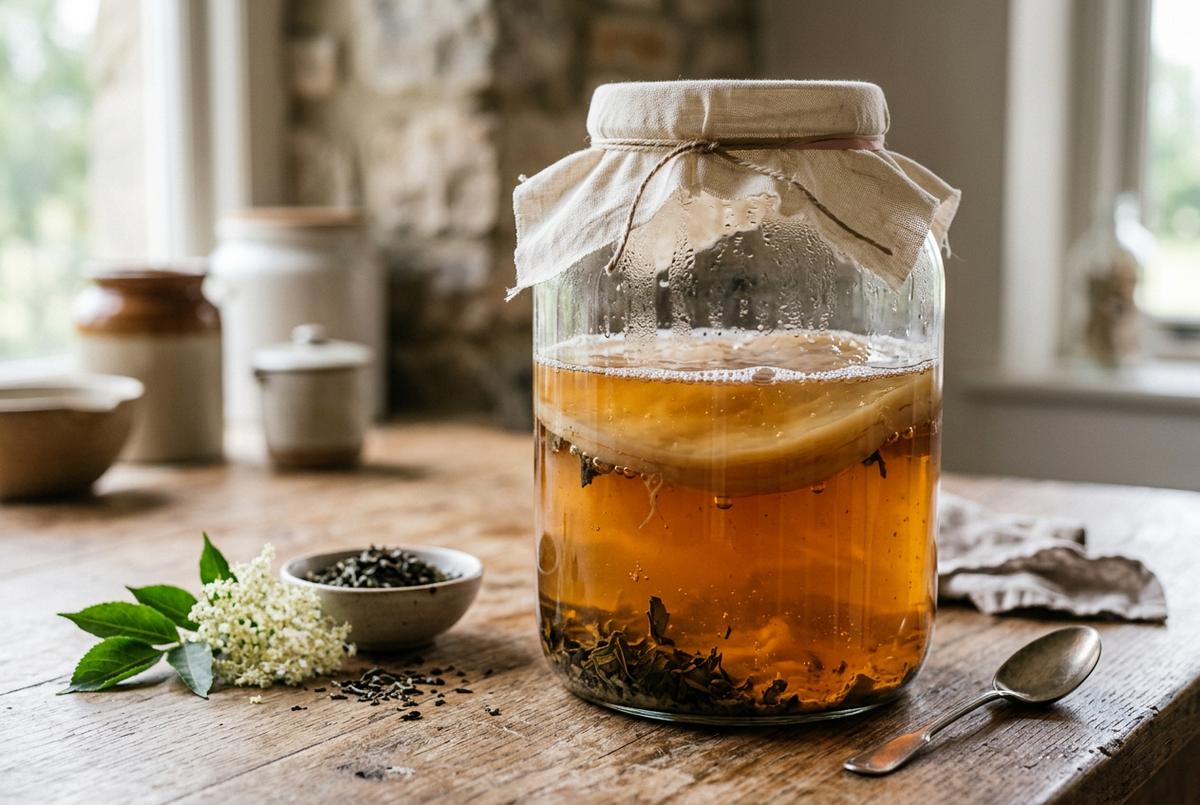
What You Should Also Know About Kombucha 1. Kombucha Shelf Life How long kombucha lasts depends on how it is made, bottled, and stored. Because of this, it is not possible to give a general shelf life of several months...

Read moreabout Fermented Tea Drink – 10 Interesting Kombucha Facts

¹at the time of bottling
²Vitamin C contributes to the normal function of the immune system, normal energy-yielding metabolism, and the protection of cells from oxidative stress.
  • Vitamin C contributes to the normal function of the immune system.
  • Vitamin C contributes to normal psychological function.
  • Vitamin C contributes to normal energy-yielding metabolism.
  • Vitamin C contributes to the reduction of tiredness and fatigue.
  • Vitamin C contributes to the normal functioning of the nervous system.
  • Vitamin C contributes to the protection of cells from oxidative stress.
  • Vitamin C contributes to the regeneration of the reduced form of vitamin E.
  • Vitamin C contributes to normal collagen formation for the normal function of the skin.
  • Vitamin C contributes to normal collagen formation for the normal function of blood vessels.
  • Vitamin C contributes to normal collagen formation for the normal function of bones, cartilage, teeth and gums.
  • Vitamin C increases iron absorption.